
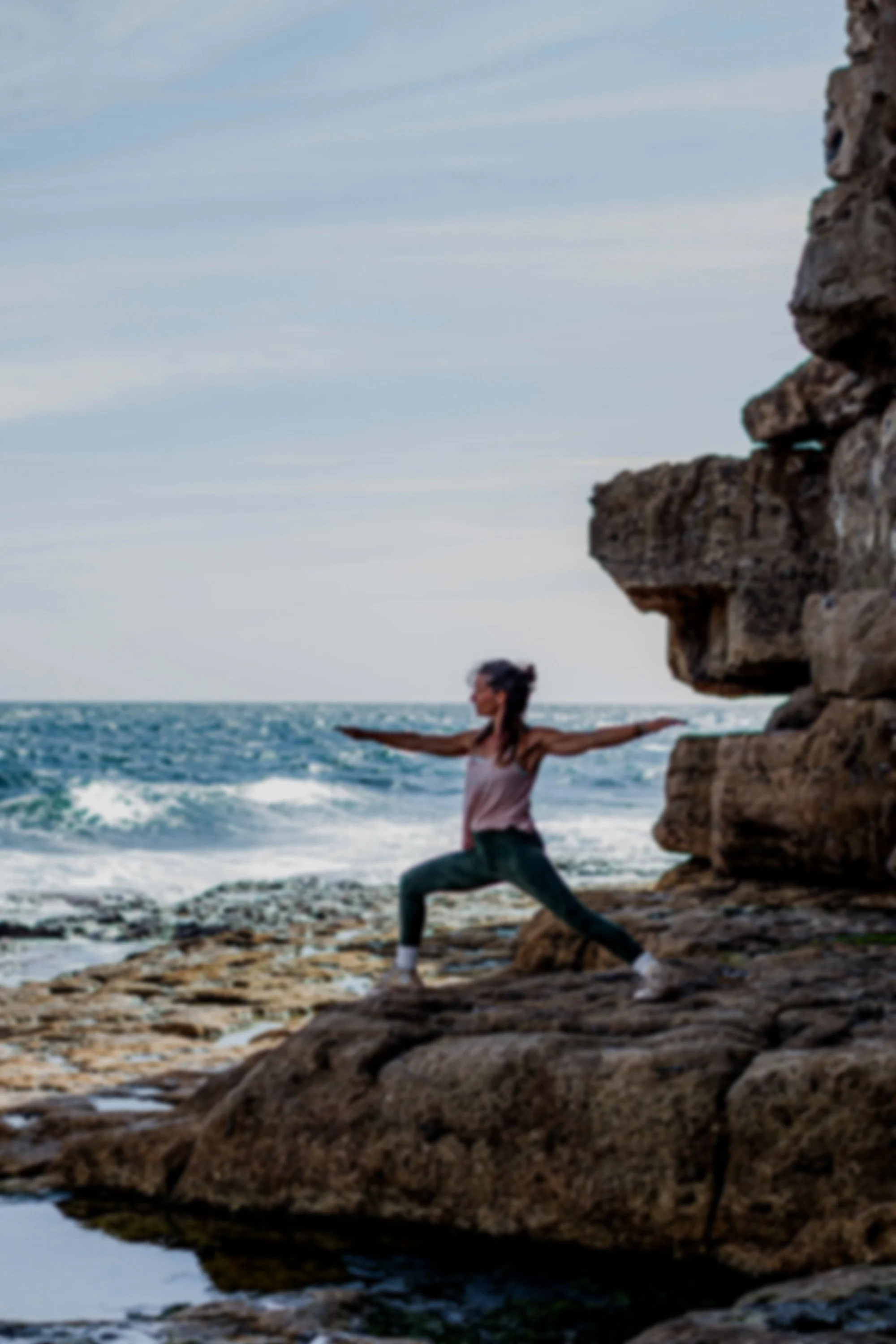
Ashtanga Energetics - Next Cohort for the Course
Coming Soon!
I’m developing a new course exploring Ashtanga through asana, breath, bandha, drishti, awareness, relationship and energy.
If you’d like to be part of the this exploration, join the waitlist and I’ll will contact you to find out what timings work for you and if now is the time
Ashtanga Energetics
You know the postures. But do you understand what's happening within them?
You know the postures. But do you know how to make them feel different?
Less mechanical. Less like a job to get done. More like a practice you can actually inhabit.
Do you know how to work with an injury or niggle, rather than constantly working around it?
How to soften unnecessary effort so you're not always pushing against your own body?
How to deepen your practice when there's no teacher in the room to guide you?
Perhaps you practise alone most of the time. You know the sequence, but sometimes you wonder whether you're doing it right. You question your ability. You wake up stiff and achy and wonder why.
Maybe you need more hip openers. Another drill. A different approach.
Perhaps that Yin class down the road is starting to look rather appealing.
But what if you don't need more drills or more instructions? What if you need a different understanding of the practice you already have?
From doing the postures to experiencing the practice.
There's a difference between knowing the shape of a posture and understanding what makes it work.
Between following instructions and recognising what your own body needs.
Between trying harder and learning how to organise yourself differently.
When you begin to understand the energetic principles within Ashtanga, you have another way of approaching your practice.
You begin to feel how grounding creates lift. How breath changes your experience of a posture. How drishti influences your attention and organisation. How bandha is about relationship throughout the body, not simply lifting the pelvic floor.
You discover how to create space without forcing, how to work with your body rather than against it, and how to recognise when unnecessary effort is getting in the way.
Your practice can begin to feel lighter, stronger and more integrated.
And when something doesn't feel right, you have principles to explore rather than simply another list of things to try.
Discover a different way to practise.
Imagine having that understanding when you practise alone.
You don't need a teacher standing beside you to begin asking better questions.
Where am I moving from? Where is my anchor? Can I find more space? What happens when I change my drishti? Can I use my breath differently?
Instead of wondering whether you're getting the posture right, you begin to develop your own internal reference point.
You become better equipped to explore your options, adapt your practice to your changing needs and make informed decisions about how you work.
Not by abandoning the tradition or inventing your own rules, but by understanding more deeply what you're practising and why.
This is about becoming a more perceptive, independent practitioner — someone who can keep learning long after the teacher has left the room.
What will change for you?
You'll see alignment differently.
Move beyond trying to reproduce the shape of a posture. Understand the principles that organise it, and discover how they apply to your own body.
You'll learn to work with your body, not against it.
Explore ways to approach limitations, recurring discomfort and injury with greater awareness. Develop the confidence to adapt your practice rather than forcing yourself into a predetermined shape.
You'll discover a new relationship with breath, bandha and drishti.
Understand how these elements work together, and how they can change the way you experience a posture — from the foundation to the direction of movement, from effort to ease.
You'll learn to make your practice your own.
Recognise when you need to build energy, when to work more quietly and how to adapt your sequence to suit your needs. Begin to develop a practice that supports you, rather than one you simply try to keep up with.
You'll develop a deeper connection with yourself.
As your awareness becomes more refined, you may notice not only physical changes, but a greater sense of connection, creativity and being more fully yourself.
This is where we begin
Over six weeks, we'll explore the energetic principles that underpin Ashtanga through the postures themselves.
We'll look at how energetic direction, breath, bandha, drishti, awareness and relationship work together — not as separate techniques to memorise, but as connected aspects of your practice.
Each session will combine teaching, demonstration and guided practice, giving you the opportunity to understand a principle, see it in action and explore what it means in your own body.
We'll begin with the foundations and gradually bring these principles into standing postures, forward folds, twists, backbends, arm balances and inversions.
The aim isn't to give you more instructions to remember.
It's to help you develop the understanding to recognise, feel and explore what's happening for yourself.
Your next step
Ashtanga Energetics is a six-week beta course for practitioners who want to deepen their understanding of the practice and develop a more independent, perceptive relationship with their own body.
And for those who feel drawn to teaching, this understanding offers a foundation for further study — learning not only to experience these principles, but to communicate them to others.
Six weeks. A different way of experiencing your practice.
Beta course investment: £222, with payment plans available.
Register your interest here.
Be the first to find out more!